Old safes deserve better than a torch and a pry bar. We open, service, and preserve antique safes, from the cast-iron beauties of the 1800s to the workhorse fire safes of the mid-1900s. Most of them can be opened without drilling anything. When drilling truly is the last option, it means one small hole in a repairable spot, not a cut-up door.
We are based in San Diego and do most of this work in person across the county, alongside the modern safe locksmith services Sam The Safe Locksmith is built on. But antique safe work is a thin specialty, and questions come in from well beyond Southern California, because few locksmiths still service wheel-pack locks and hand-fitted boltwork. Read this page before you let anyone touch your safe. The wrong first move is usually permanent.
One rule up front. We verify ID and proof of ownership before every opening, on a hundred-year-old Diebold the same as on a new gun safe. If the safe came with a house you just bought, closing or estate paperwork naming you does the job.
What Counts as an Antique Safe
Two broad families turn up in homes, shops, and estates.
- Pre-war iron safes, roughly 1860 to 1940. Heavy plate or cast iron bodies, ornate paint and pinstriping, brass dials, sometimes wheels under the base. Built for burglary resistance and for looking impressive in a shop window, by companies that mostly no longer exist.
- Mid-century fire safes, roughly 1940 to 1970. Plainer steel boxes with a thick insulating fill, made to protect papers from fire rather than from thieves. Meilink and similar names, common in garages and home offices all over the county.
Both families run on mechanical locks that predate every electronic keypad on the market, which is exactly why they need a specialist rather than a general locksmith.
The Names on the Doors
The maker's name, painted on the door or cast into a brass plate, tells you a lot about what you have.
- Diebold began building safes in Ohio in 1859 and made its reputation when its safes came through the 1871 Chicago fire with contents intact.
- Mosler, another Ohio maker, built safes and vaults from 1867 until 2001, and its bank vaults were famously stout.
- Herring-Hall-Marvin came out of an 1890s merger of three of America's oldest safe builders, so its name appears on everything from small parlor safes to full bank doors.
- Victor, out of Cincinnati, sold enormous numbers of merchant safes around the turn of the century and is remembered for its round screw-door models.
- Cary, of Buffalo, New York, put plain, tough safes in general stores across the country in the early 1900s.
- York Safe and Lock of Pennsylvania was one of the biggest producers of the early 1900s and shifted to armor work during World War II.
Plenty of other names exist, and some doors carry a dealer's name rather than the builder's. If yours is unfamiliar, send a photo. Identifying the maker and lock is part of quoting the job honestly.
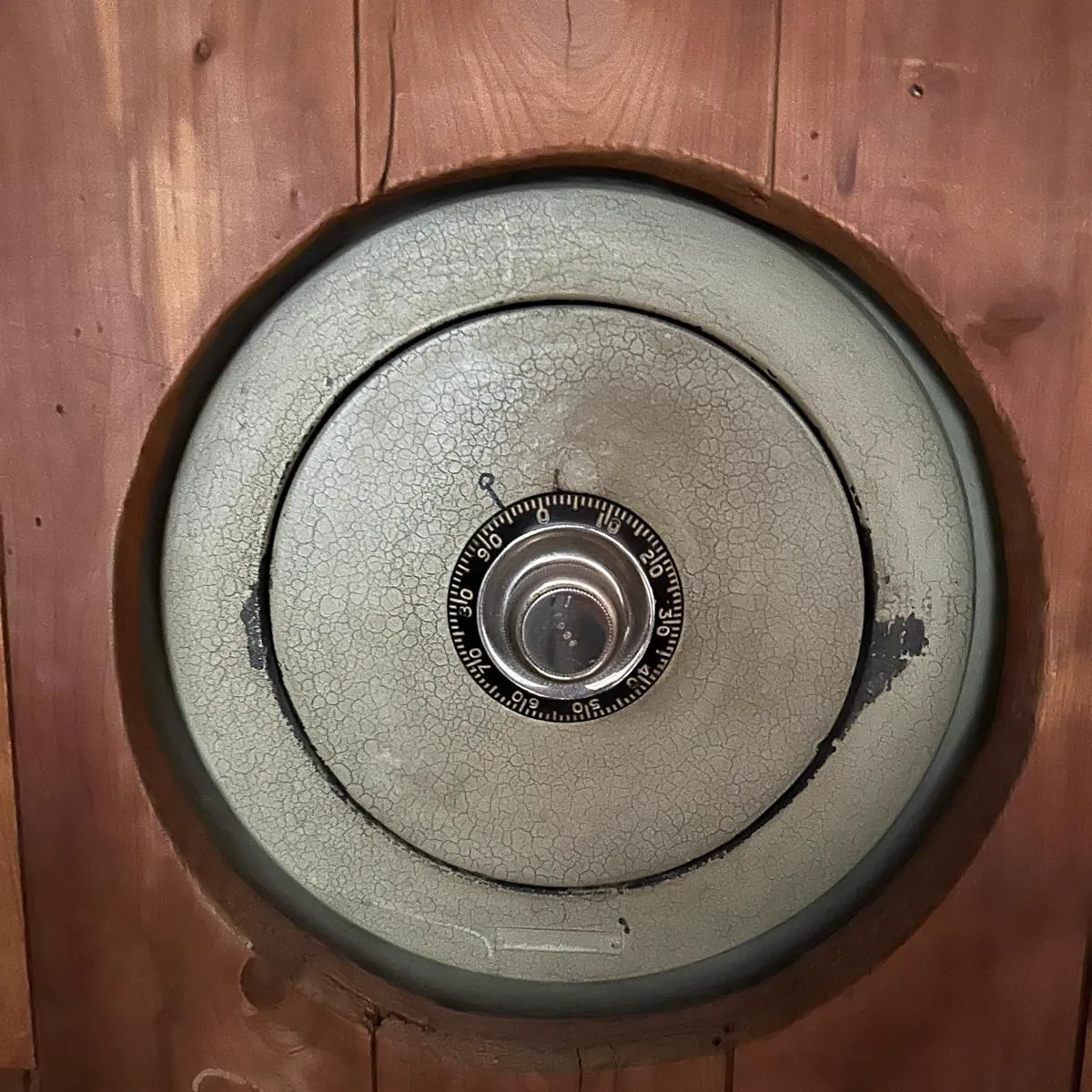
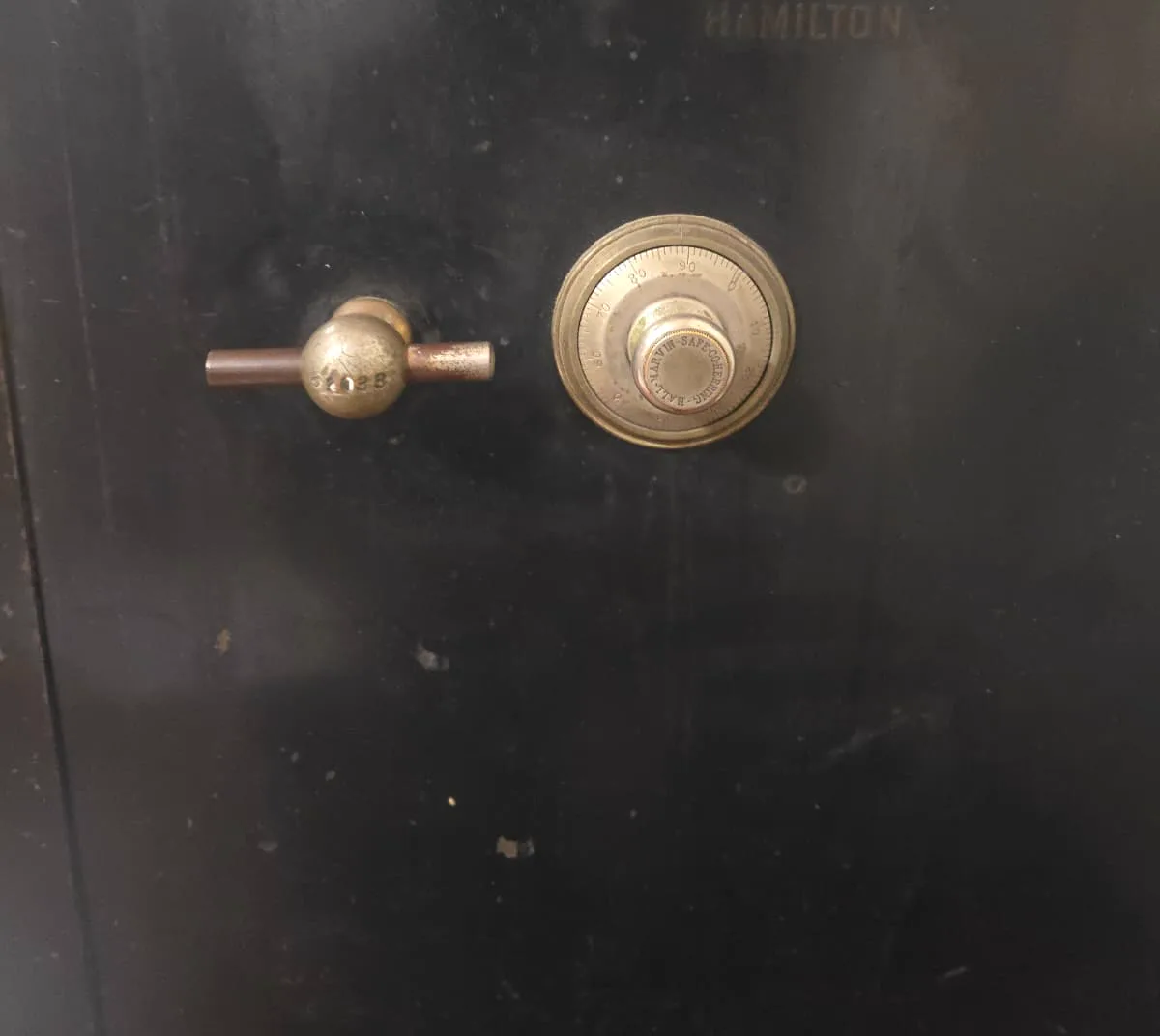
How an Antique Safe Locksmith Opens One Without Destroying Its Value
Manipulation comes first, every time. A wheel-pack lock can usually be opened by touch, working the dial slowly and reading what the mechanism gives back until the combination reveals itself. Done well, it leaves no evidence the safe was ever locked out. It can take an hour or several, and it is the skill that separates a safe specialist from a locksmith who owns a drill.
When a lock is too worn or damaged for manipulation, careful drilling is the fallback. One small hole, a borescope to see what failed, the door opened, and the hole repaired so the safe still presents as original. That is accepted service history on an antique. The same manipulation-first discipline runs through all of our safe opening work, but on antiques the stakes are higher because the safe itself is the valuable.
The tragedy is the angle grinder. People still cut open hundred-year-old doors far too often. The contents usually survive, and a piece of 19th century craftsmanship becomes scrap iron with a hole in it. The cutting often takes longer and costs more in blades and labor than a professional opening would have. Most antique safe openings run in the low to mid hundreds depending on the lock's condition, and we confirm the exact price by phone before work starts.
A health note on old fire-clad safes. Many safes built from the late 1800s through the mid-1900s are steel shells packed with insulating fill, and some fill materials used in that era can contain asbestos. You cannot tell which by looking. Grinding or cutting into the body can put that dust in the air, so a DIY attack on an old fire safe is a health risk as well as a value risk. Leave the cladding sealed and let a professional open the safe through the lock.
Lost Combinations and Wheel-Pack Locks
Almost every antique safe runs a wheel pack, a stack of three or four notched wheels turned by the dial. There is no battery, no reset button, and no factory that can look up your number, because the factory closed generations ago. When the combination is lost, manipulation recovers it. Once the safe is open, the lock gets cleaned and lubricated, because a wheel pack that has run dry for fifty years is one seized wheel away from locking you out for good. On most of these locks we can then set a new combination of your choosing.
If your dial suddenly spins free, feels gritty, or stops taking the combination it always took, stop turning it. Forcing a failing lock makes the opening harder and more expensive. If you are staring at a shut safe right now, the lockout page covers the owner-level checks worth doing before you call.
Restoration, What a Locksmith Does and Does Not Do
Our restoration scope is mechanical. Lock and wheel-pack service, freeing seized boltwork, straightening and rebushing handles and hinges, sourcing or fabricating small lock parts, cutting keys for inner compartment doors, and getting the dial turning the way it did when the safe was new. That work overlaps with our everyday safe repair service, just slower and with more respect for original parts.
Cosmetic restoration is a different trade. Repainting, pinstriping, gold leaf, and nickel plating belong to metal refinishers and sign painters, and pointing you to that kind of specialist is more honest than pretending we do it. Most owners service the mechanics first, then decide whether the safe earns a cosmetic budget.
Vintage Safes Hiding in San Diego Homes
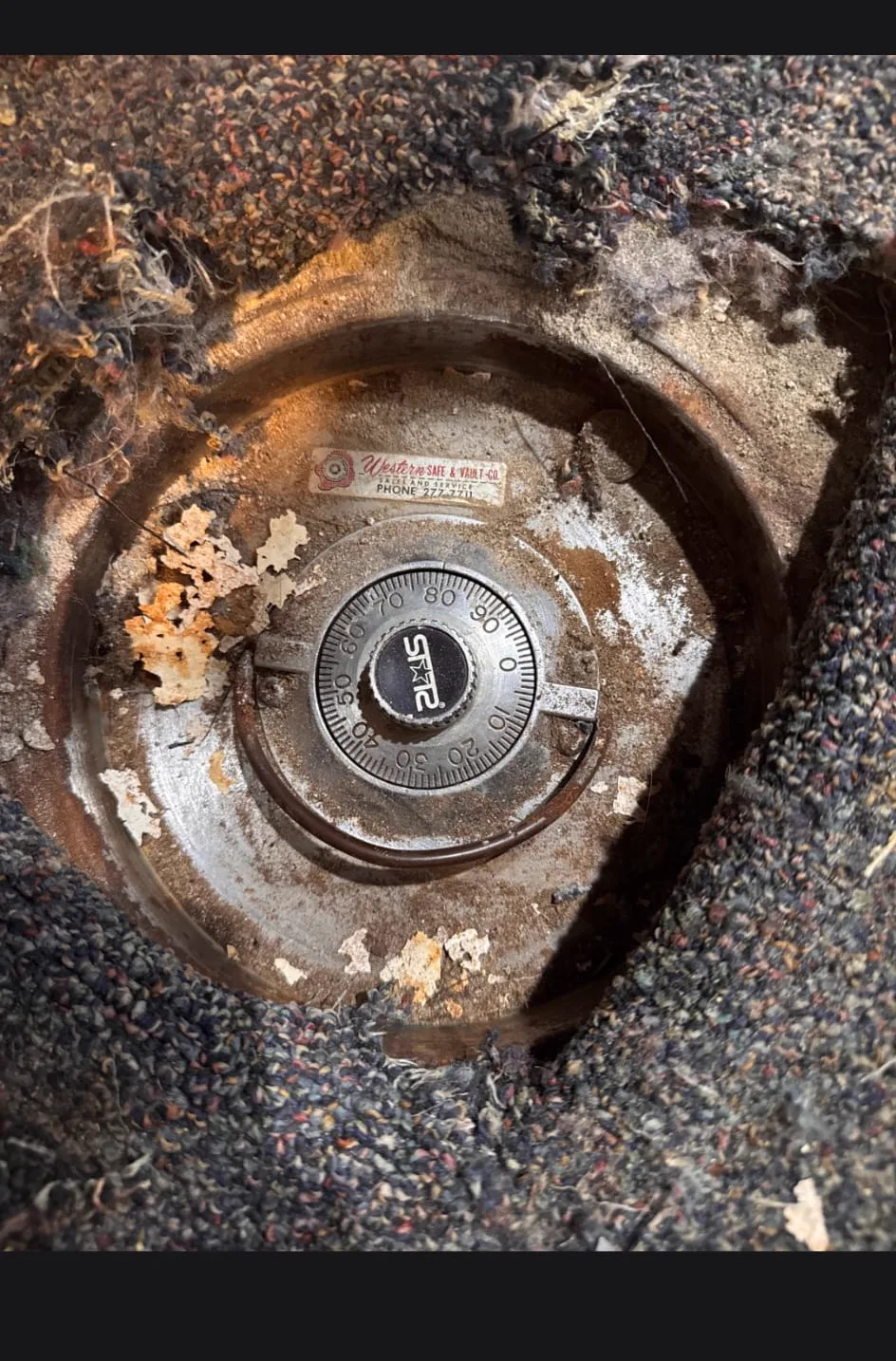
San Diego's older neighborhoods still give up surprises. Craftsman and Spanish-era houses in La Mesa, Point Loma, and Escondido turn up floor safes under the carpet and wall safes behind closet panels, usually during a remodel or an estate cleanout. Older commercial buildings around downtown San Diego still hold big iron double-door safes that were rolled in before the building had an elevator.
If you find one, do not force it and do not let a handyman cut it. Send photos of the door, dial, and any maker's marks, and we will tell you what you have and what opening it should involve. If the safe needs to leave the building afterward, moving that much iron is its own careful job. Hours are Mon to Sat, 7am to 7pm, at (619) 493-3195, and owners outside San Diego are welcome to call with questions about what they have found.