A mid-size gun safe weighs 500 to 800 pounds. A tall Liberty or Fort Knox can pass 1,000. That much steel does not care about your hardwood, your tile, your doorframes, or your spine. Moving it takes the right dollies, the right floor protection, and someone who has done it enough times to know exactly where these jobs go wrong.
Sam The Safe Locksmith moves and installs safes across San Diego County, from Chula Vista up to Carlsbad and everywhere between. Because we are a safe specialist locksmith rather than a moving crew, the move is only half of what we bring. The same visit can include bolting the safe down, servicing the lock, and setting a new combination, so the safe is not just relocated, it is finished and ready to use.
Call (619) 493-3195 and tell us what you have, where it sits, and where it needs to go. We ask a few questions about stairs and surfaces, then quote the job before we roll a truck. Hours are Mon to Sat, 7am to 7pm.
Why Safe Moving in San Diego Is Its Own Trade
Furniture movers look at a safe and see a heavy dresser. It is not one. All the weight sits in a steel box with no good handholds, a top-heavy balance, and a door that shifts the center of gravity every time it swings. Ordinary appliance dollies fold under gun safe weight. This trade has its own gear: heavy-rated stair dollies, machine skates, toe jacks, and lifting straps that keep hands out of the pinch zones.
Floors are the other half of the job. San Diego houses are full of tile, and tile cracks under a point load long before the safe reaches the next room. We lay protective board over tile and hardwood so the weight spreads, and we pad doorframes on tight turns. On some models we pull the door before a stair carry, which can take 150 pounds or more off the load. On others, removing the door puts the hinges and boltwork at risk, so it stays on and we plan the carry around the full weight. Knowing which safe is which is the judgment call you are paying for.
What We Move, and What It Typically Costs
We handle the safes that are too heavy for movers but not big enough for a rigging crew:
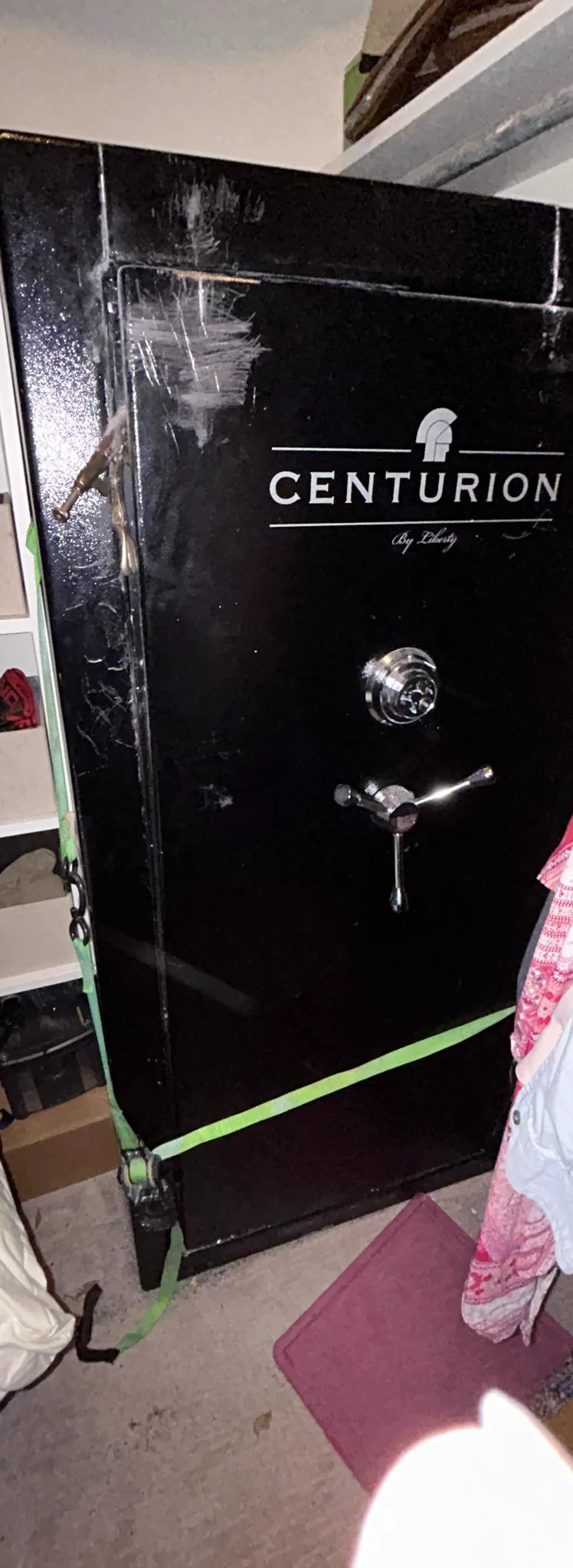
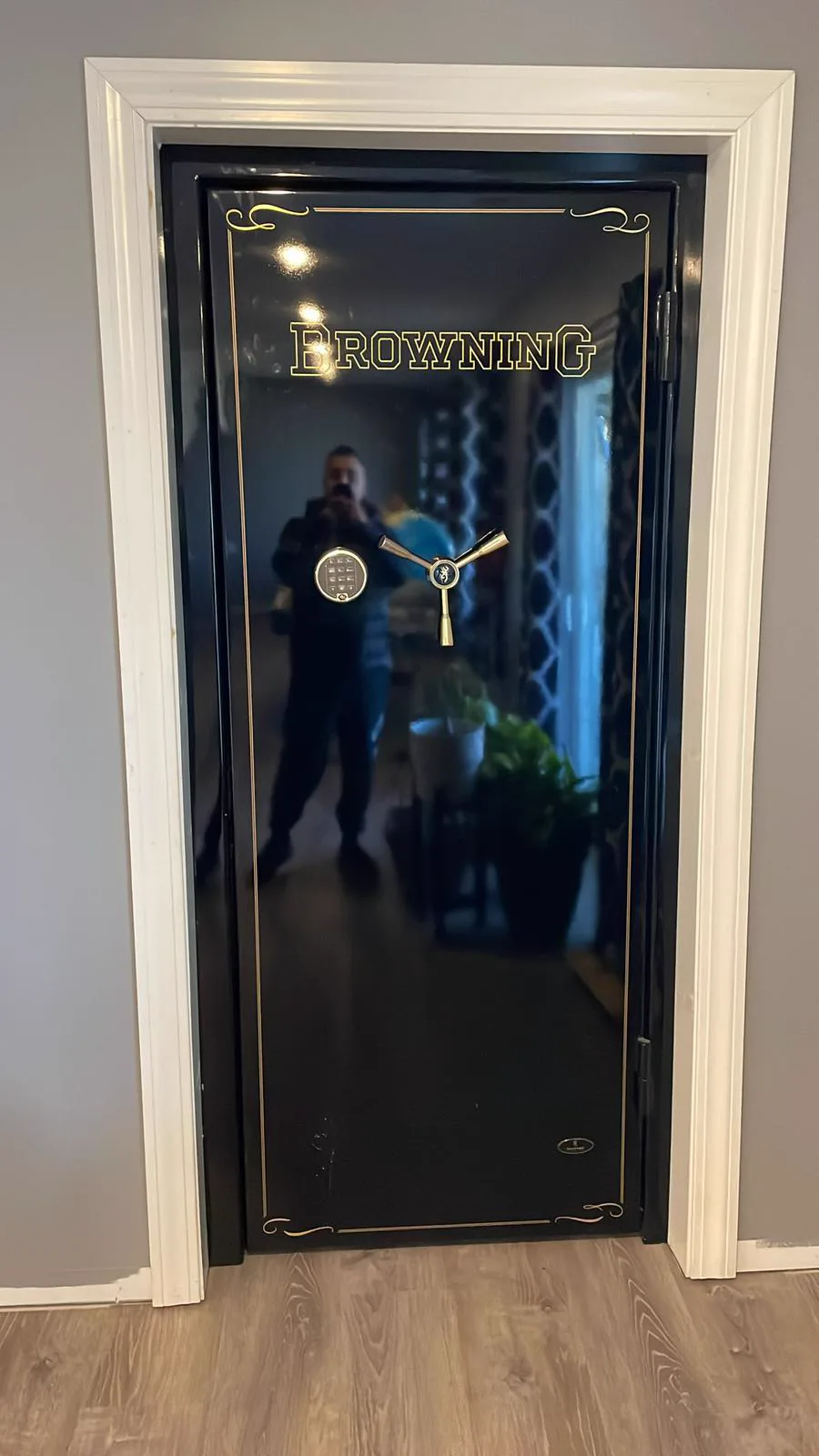
- Gun safes. Liberty, Cannon, Winchester, Browning, Fort Knox, and similar, generally up to about 1,000 pounds on workable routes. If yours needs lock work too, our gun safe locksmith service covers that side.
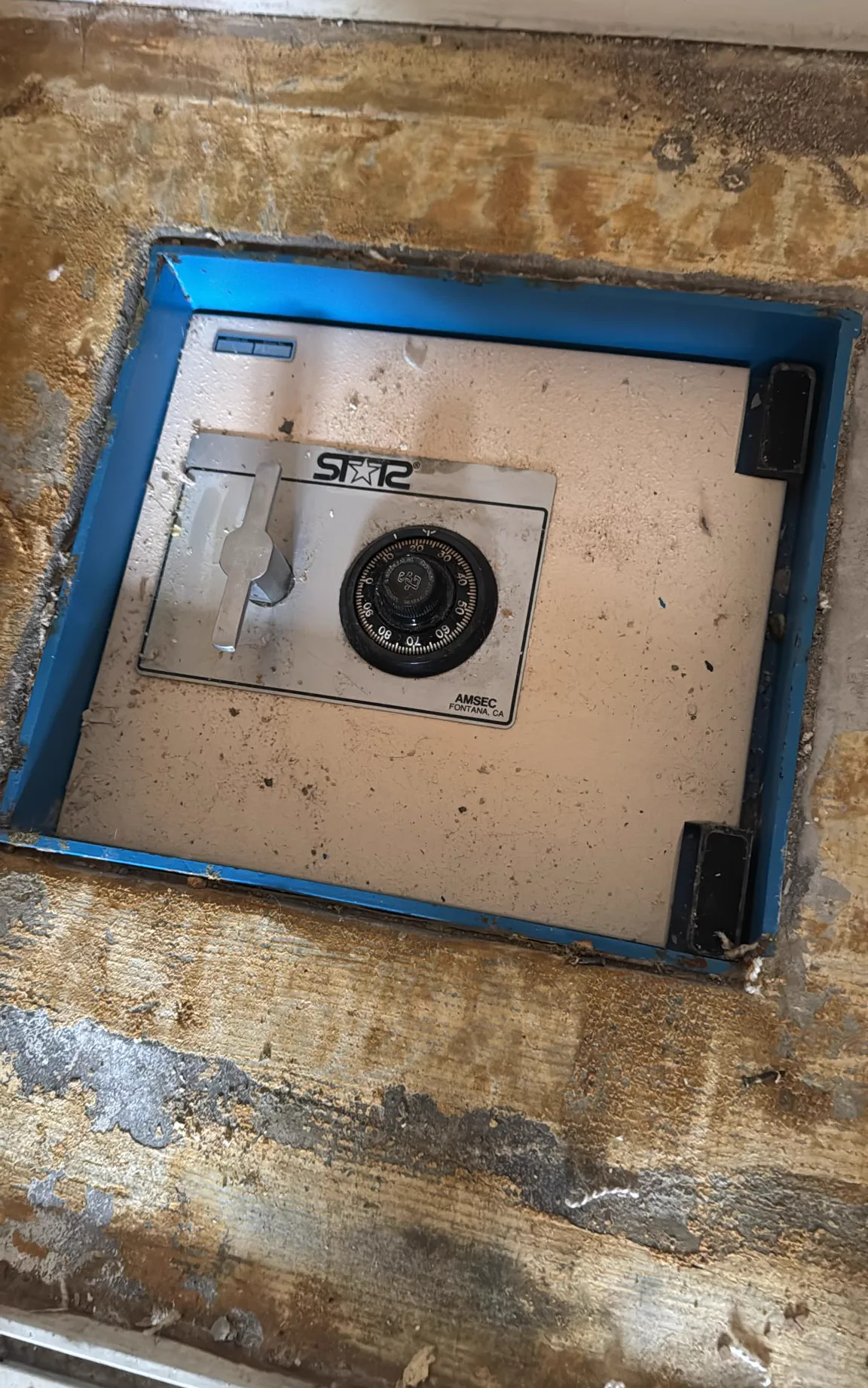
- Home safes. Fire safes and burglary safes from SentrySafe, Gardall, AMSEC, and others, moved between rooms, houses, or from the store to their final spot.
- Small commercial units. Depository safes and office safes for shops and restaurants. Larger commercial safe projects get scoped by phone first.
Every job is priced on weight, distance, stairs, and surfaces, and the exact number is confirmed by phone before work starts. As a rough guide:
| Job | Typical range |
|---|---|
| Ground-floor move, same house or across town | Low hundreds |
| Move involving stairs or a long carry | Mid hundreds |
| Bolt-down installation, same visit | Modest add-on |
| Move plus lock service and new combination | Quoted as a package |
Bolting Down a Safe the Right Way
An unbolted safe is a half-finished installation. Burglars tip safes onto their backs so they can attack the door with a pry bar and full body weight, and lighter safes simply leave with two people and a dolly, to be opened somewhere quiet. Bolting kills both plays. It also stops tip-overs, which is no small thing when a 700 pound top-heavy box shares a house with kids.
How we anchor depends on what is under the safe. On a concrete slab, we drill through the factory holes in the safe floor and set proper concrete anchors. On a wood floor, lag screws into the joists do the work, not just the subfloor, and we check the framing can carry the load in the first place. Either way the safe ends up square, level, shimmed so the door swings true, and fixed to the building.
Rule of thumb: if two people can rock your safe, two people can steal your safe. Any safe under about 1,000 pounds should be bolted down, and most heavier ones should be too.
Where Should the Safe Go?
The garage is the easy answer, and often the wrong one. Delivery is simple and the slab takes anchors well, but garages swing hot and cold, collect moisture, and put the safe on display every time the door rolls up. A closet or interior room hides the safe, holds a steadier temperature, and usually sits closer to bedrooms, which matters for a gun safe you may need at night. The trade-off is a tighter route in, which is our problem to solve, not yours.
Coastal homes need one extra step. Salt air finds its way into safes near the water, and it shows up as surface rust on guns and corrosion on lock parts. If you are in La Jolla, Point Loma, or up the coast toward Carlsbad, put a dehumidifier rod or a renewable desiccant can inside the safe from day one. It is a cheap fix for an expensive problem.
Keep bolt-down in mind when picking the spot. We want the safe against a wall, sitting over slab or solid framing, with enough clearance for the door to open past 90 degrees.
Moving Day Prep
A few things from you make the job faster and cheaper:
- Empty the safe. Contents ride separately. Firearms should be unloaded, cased, and transported by you.
- Know your combination. We need the safe open to bolt it down and to check the boltwork after the ride.
- Clear the route. Rugs up, furniture out of the path, cars out of the garage, pets and kids in another room.
- Measure the doorways. Or send us photos and rough numbers, and we will tell you if the route works before we book the job.
- Flag the surprises. Gravel, grass, steep driveways, and steps at the front door all change the plan. Tell us up front.
Jobs We Turn Down
Some jobs need riggers, not locksmiths, and we will tell you so. Safes much past 1,500 pounds, full flights of stairs under extreme weight, crane lifts onto upper floors, and jackhammer work in occupied buildings are outside what we do. Taking that work anyway is how slabs crack and people get hurt. When a job is past our limit we say so on the phone, before anyone is standing in your driveway next to a safe that is not going anywhere.
After the Move: Finish the Job
A move is a rough ride for a safe. Dials drift, keypads shake loose, and boltwork that was smooth in the old house can bind in the new one if the floor is out of level. We check all of it before we leave, and full safe repair is on the truck if something needs real work. Moving is also the natural moment to change the combination, especially on a used safe where you have no idea who else knows the code. And if you bought a secondhand safe that showed up locked, we can help with opening it once you show proof of ownership, which we verify before every opening, no exceptions.