A failing safe rarely announces the problem politely. The keypad beeps and the bolts do not move. The dial feels gritty where it used to glide. The handle swings loose with no resistance at all. Most of these symptoms trace back to one worn part, and most of them can be fixed for far less than the price of a new safe.
We repair safes across San Diego County, from Carlsbad down to the border and inland past El Cajon. Safe work is the whole business here, not a sideline bolted onto car keys and house rekeys. That focus matters, because a failing safe lock is unforgiving. The wrong move can turn a one-hour repair into a drilling job. If your safe still opens, even unreliably, get it serviced before it stops opening entirely. A limping lock is a simple swap. A dead lock behind a shut door means a lockout call first and a repair second.
Here is what we repair, what good parts look like, what jobs typically cost, and when a safe is not worth fixing.
What We Repair
If it is part of a safe, it comes across our bench regularly. The common jobs:
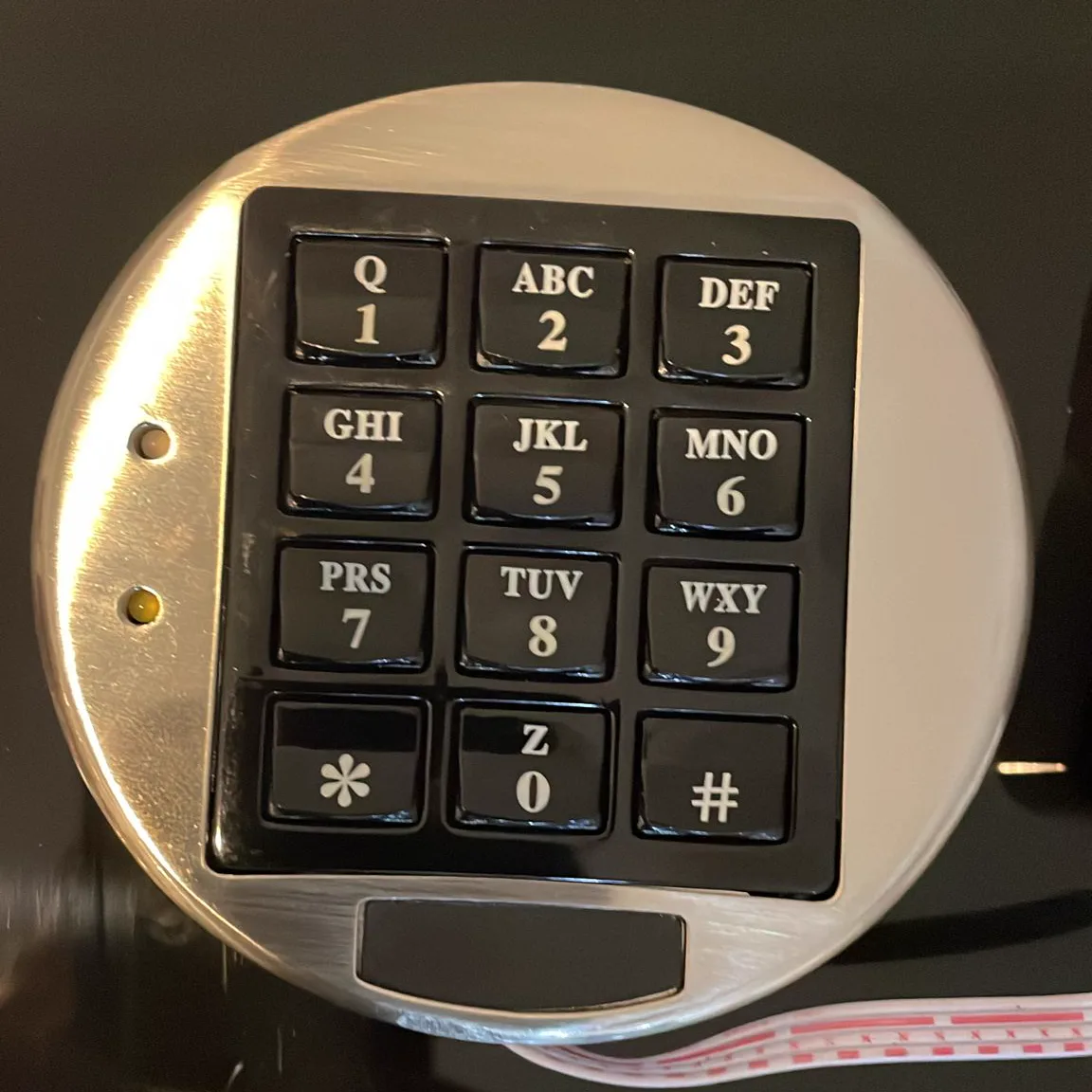
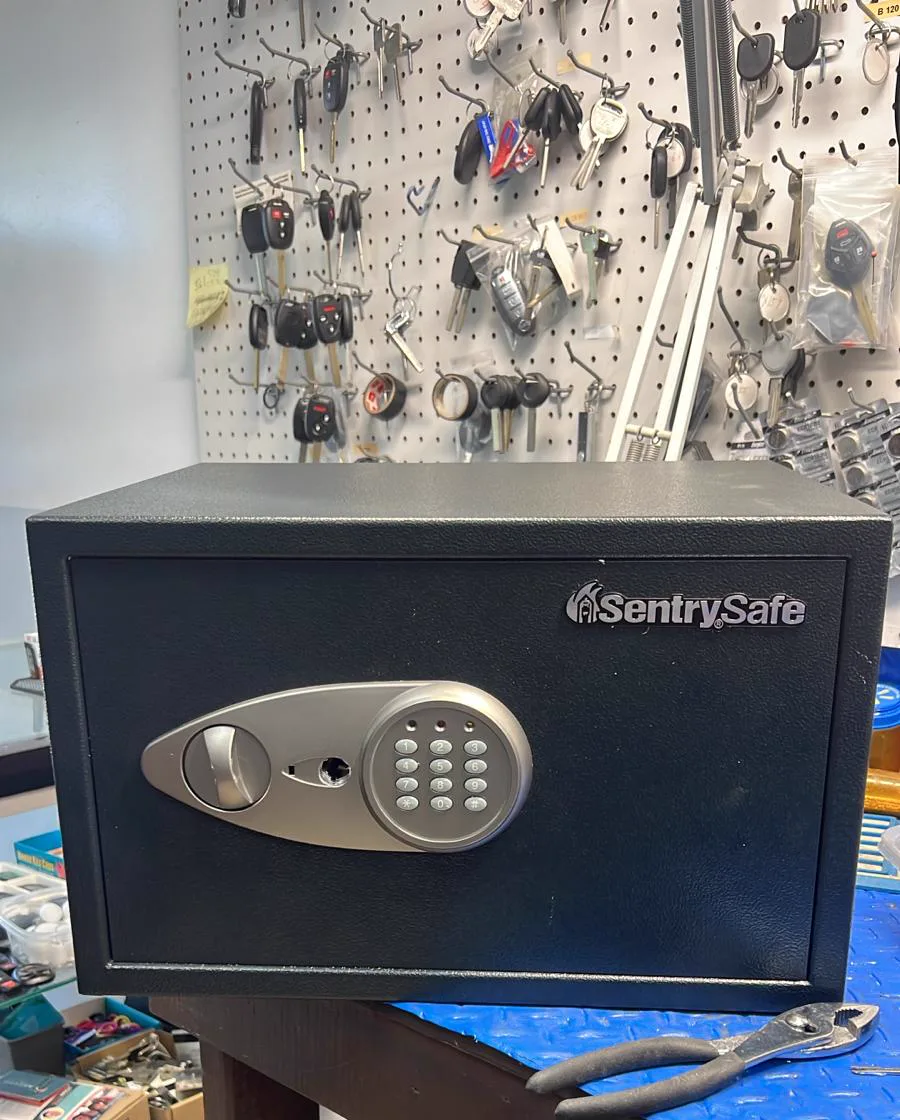
- Electronic locks and keypads. Dead keypads, worn ribbon connections, failed solenoids, locks that accept the code but never release the bolt.
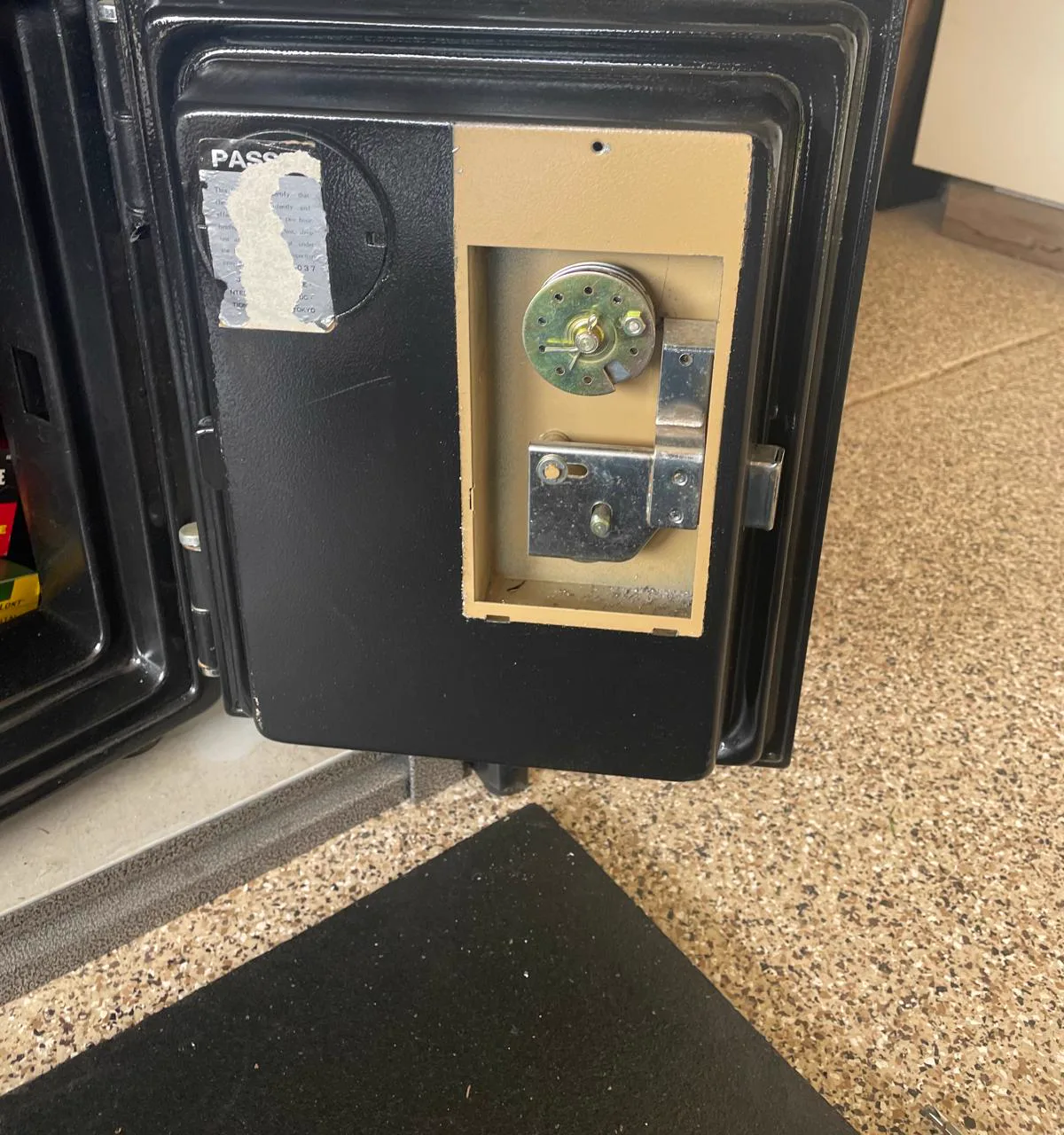
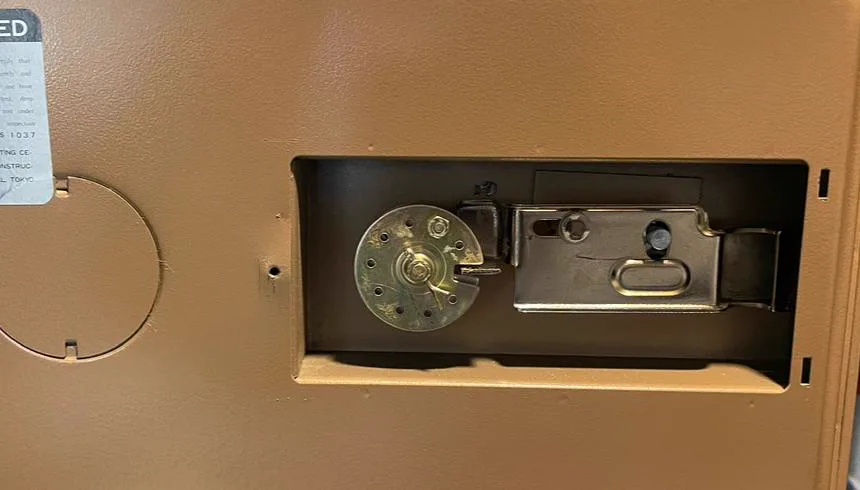
- Mechanical dial locks. Gritty dials, combinations that drift, wheel packs that need cleaning, lubrication, or replacement.
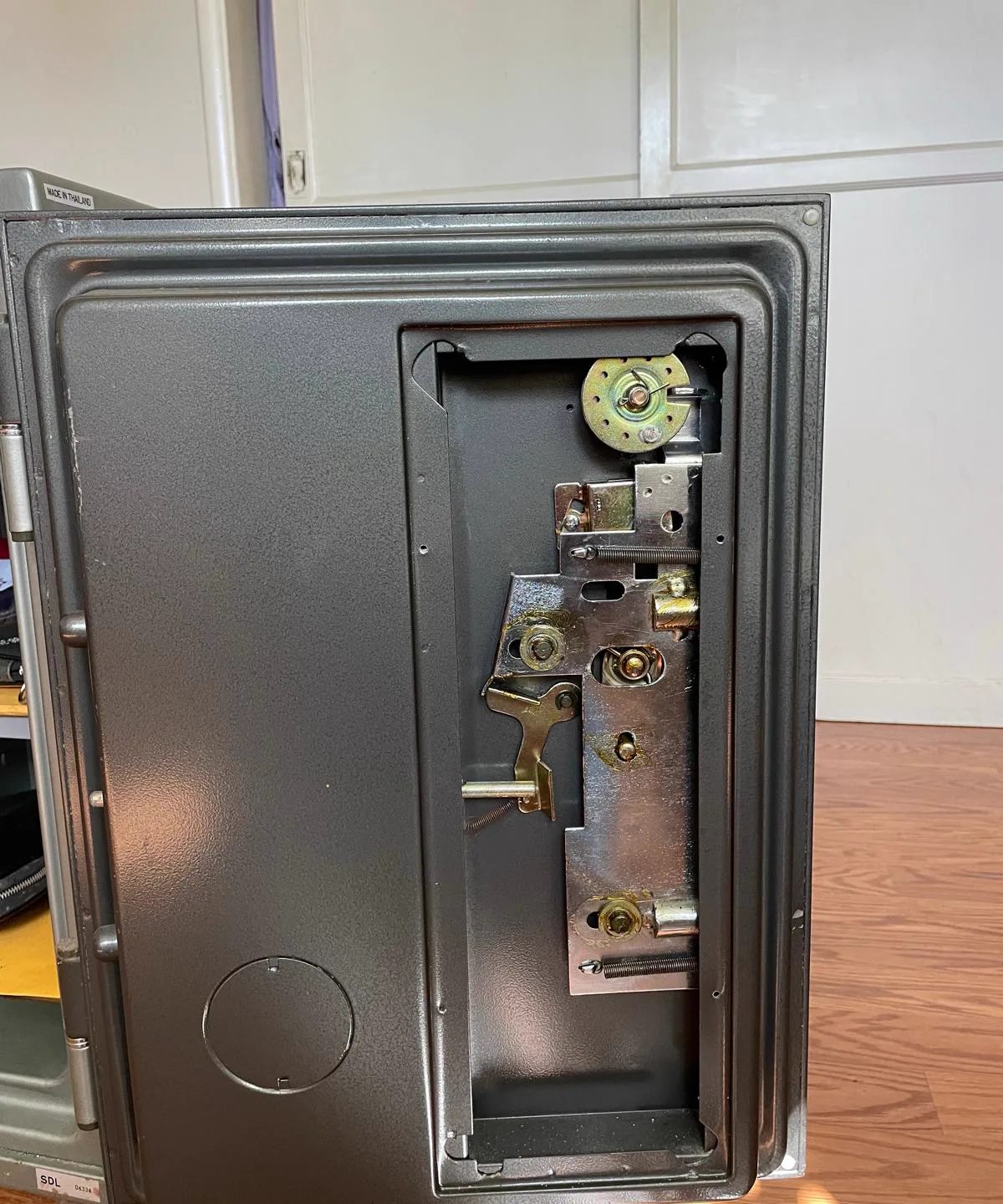
- Bolt work. Bent bolts, seized linkage, handles that turn but move nothing.
- Hinges and doors. Sagging doors that bind on the frame, worn hinge pins, alignment problems that make locking a wrestling match.
- Relockers. Tripped or fatigued relock devices reset or replaced so the safe stays as secure as it was built to be.
- Handles and spindles. Snapped clutch handles, stripped spindles, loose hubs.
That applies to burglary safes, fire safes, depository safes, and rifle safes alike. Long doors and heavy bolt work give gun safes their own set of quirks, so there is a dedicated page for gun safe service.
Before you call about a keypad: put a fresh name-brand 9V battery in first. A weak battery causes a surprising share of electronic lock complaints. If the lock still misbehaves on a fresh battery, stop entering the code, because repeated failed attempts can trigger a penalty lockout that adds a forced wait.
Safe Lock Replacement with Parts Worth Trusting
When a lock is past saving, we replace it with hardware that has earned its reputation: Sargent and Greenleaf (S&G), LaGard, or SecuRam. These are the locks safe technicians put on their own safes.
The mark to look for is a UL listing. A UL-listed lock is tested for thousands of open and close cycles and for resistance to manipulation, and it is built with serviceable parts. The unbranded lock on a budget import was built to hit a price point, and when it fails it usually fails shut. Fitting a listed lock during a repair costs little more than another throwaway.
Every lock replacement ends the same way. We set the new code or combination with you present, then we cycle the lock repeatedly with the door open before anyone trusts the door. If your lock is healthy and you only need the code updated, that is a smaller visit, covered under combination changes.
Dial-to-Electronic Conversions
Plenty of good safes wear mechanical dials their owners have grown to hate. Spinning through a four-turn sequence in a dim closet, twice when you miss a number, gets old. A conversion keeps the safe and retires the chore.
Most quality safes use a standard lock footprint. That means the mechanical lock and dial come off and an electronic lock and keypad bolt into the same mounting holes. No cutting, no welding, and the door keeps its integrity. We keep the original dial hardware and hand it to you in a bag, so the safe can go back to original later if you ever want it to.
Typical conversions land in the mid hundreds including a UL-listed lock, confirmed by phone before the work starts. The owners who get the most out of it are people who open the safe daily, households where several people need access, and anyone whose eyes or hands no longer enjoy small dial graduations.
Repair After a Drilled Opening
A drilled safe is not a ruined safe. When a lock dies with the door shut and drilling is the only way in, a proper job ends with a repair, not a hole. The penetration is small and precisely placed, and afterward it gets filled with a hardened plug, the relocker is inspected and reset, a new lock goes on, and the door goes back into service.
That open-then-restore sequence is standard on our safe opening work, and we quote the opening and the repair together so there is no surprise once the door swings. We verify ID and proof of ownership before any safe gets opened, no exceptions.
On-Site or on the Bench
Most repairs happen where the safe sits. A 700-pound gun safe in a garage in Poway never needs to move for a lock swap, a keypad replacement, or bolt work service. We carry the common S&G, LaGard, and SecuRam parts on the truck, so most calls finish in one visit.
Small safes are a different story. A compact fire safe or pistol safe with a deep mechanical problem does better on the bench, where it comes fully apart and the wheel pack gets a proper cleaning. Bench work often costs less too, since shop time is not travel time.
Service runs Mon to Sat, 7am to 7pm, anywhere in the county, from La Mesa out to the coast, through the keypad-heavy newer homes of Carmel Valley, and up the 15 corridor. Most jobs are same-day or next-day.
Typical Safe Repair Pricing
| Repair | Typical range |
|---|---|
| Electronic keypad replacement | $80 to $180 |
| Full electronic lock replacement | $250 to $550 |
| Mechanical dial lock service or repair | $150 to $350 |
| Dial-to-electronic conversion | $350 to $700 |
| Bolt work, handle, or hinge repair | $150 to $450 |
| Repair and relock after a drilled opening | $200 to $500 |
These are typical ranges for standard residential safes in normal condition, not quotes. High-security and business units run higher, and commercial safe service covers depository and office equipment separately. The exact price is confirmed by phone before any work starts.
When a Safe Is Not Worth Repairing
Some safes should not get another dollar, and we will say so on the phone rather than in your driveway. The usual cases:
- Entry-level electronic fire boxes. When a proper replacement lock costs more than the whole unit sells for new, the math does not work.
- Fire safes that have been through a fire. The insulation does its job once. After real fire exposure the body is spent, even if the door still closes.
- Rust-eaten bolt work. Decades in a damp garage or near the coast can corrode linkage past economic repair on a cheaper safe.
The exception is age with pedigree. A heavy old safe with family history or collector value plays by different rules, and antique and vintage safe work gets its own page for that reason.
Not sure which side of the line your safe falls on? Call (619) 493-3195 and describe the symptom. Two minutes on the phone usually settles whether it is a repair worth making.