A drop safe that will not take deposits on a Saturday night. An office safe nobody can open because the only manager who knew the code gave notice last week. A deposit drawer jammed halfway shut with the day's cash behind it. Commercial safe problems land at bad times, and they almost always involve money, records, or inventory your business needs right now.
Sam The Safe Locksmith is a safe-specialist locksmith serving businesses across San Diego County. We open commercial safes with verified authorization, repair depository and drop safes worn down by daily use, upgrade locks for tighter cash control, and keep high-use safes on a maintenance schedule so they do not quit during a rush. Nearly all of the work happens on site, scheduled around your business hours where we can.
Hours are Monday to Saturday, 7am to 7pm, and most commercial calls get service usually same-day or next-day. Call (619) 493-3195, describe the safe and the problem, and we can usually tell you what the fix looks like and what it typically costs before we load the van.
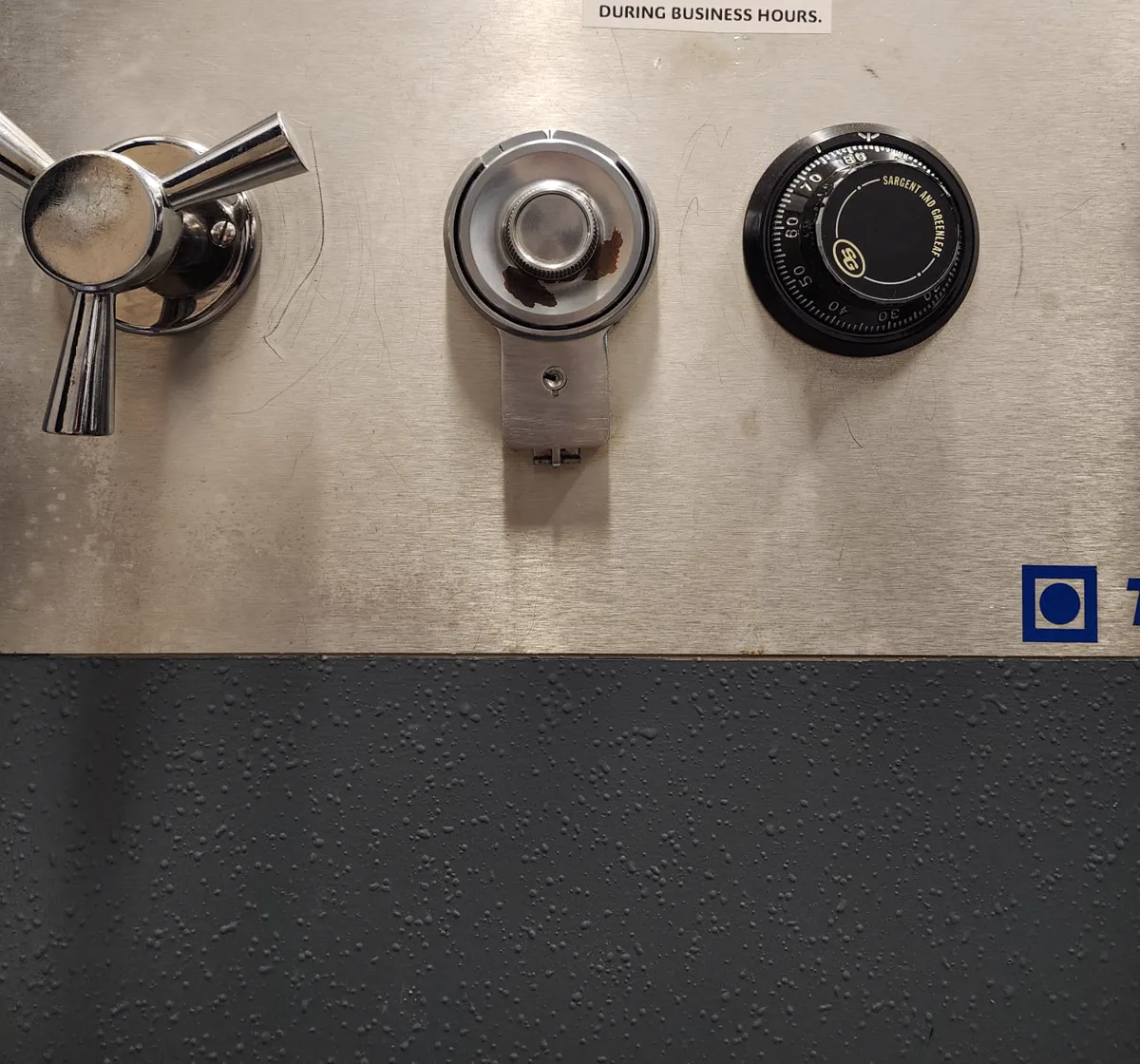
Who Calls a Commercial Safe Locksmith
Any business that holds cash, product, or sensitive paperwork ends up owning a safe, and every safe eventually needs service. The commercial calls we get around San Diego break down into a few familiar groups:
- Retail stores with drop safes behind the counter that jam from constant use.
- Restaurants and bars where the deposit safe has to be open before the weekend rush.
- Jewelers running high-security burglary safes that need lock work done without damage to the safe body.
- Offices with fire safes full of contracts, checks, and backup drives.
- Hotels with front-desk deposit safes and back-office cash safes on daily duty.
- Dispensaries, which run cash-heavy operations and need locks that support strict handling procedures.
Different businesses, same underlying machine: a lock, a boltwork, and a door that has to work every single day.
Depository and Drop Safe Service
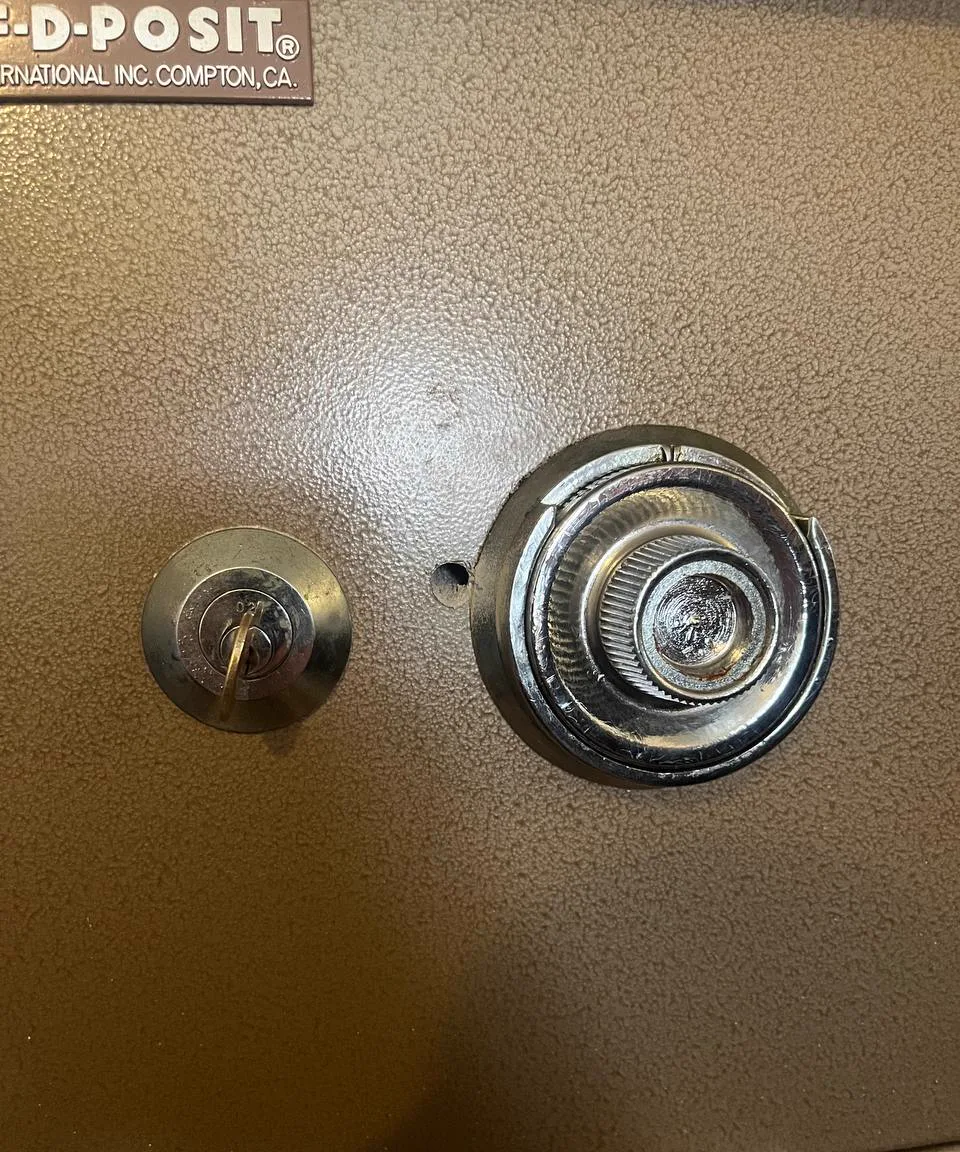
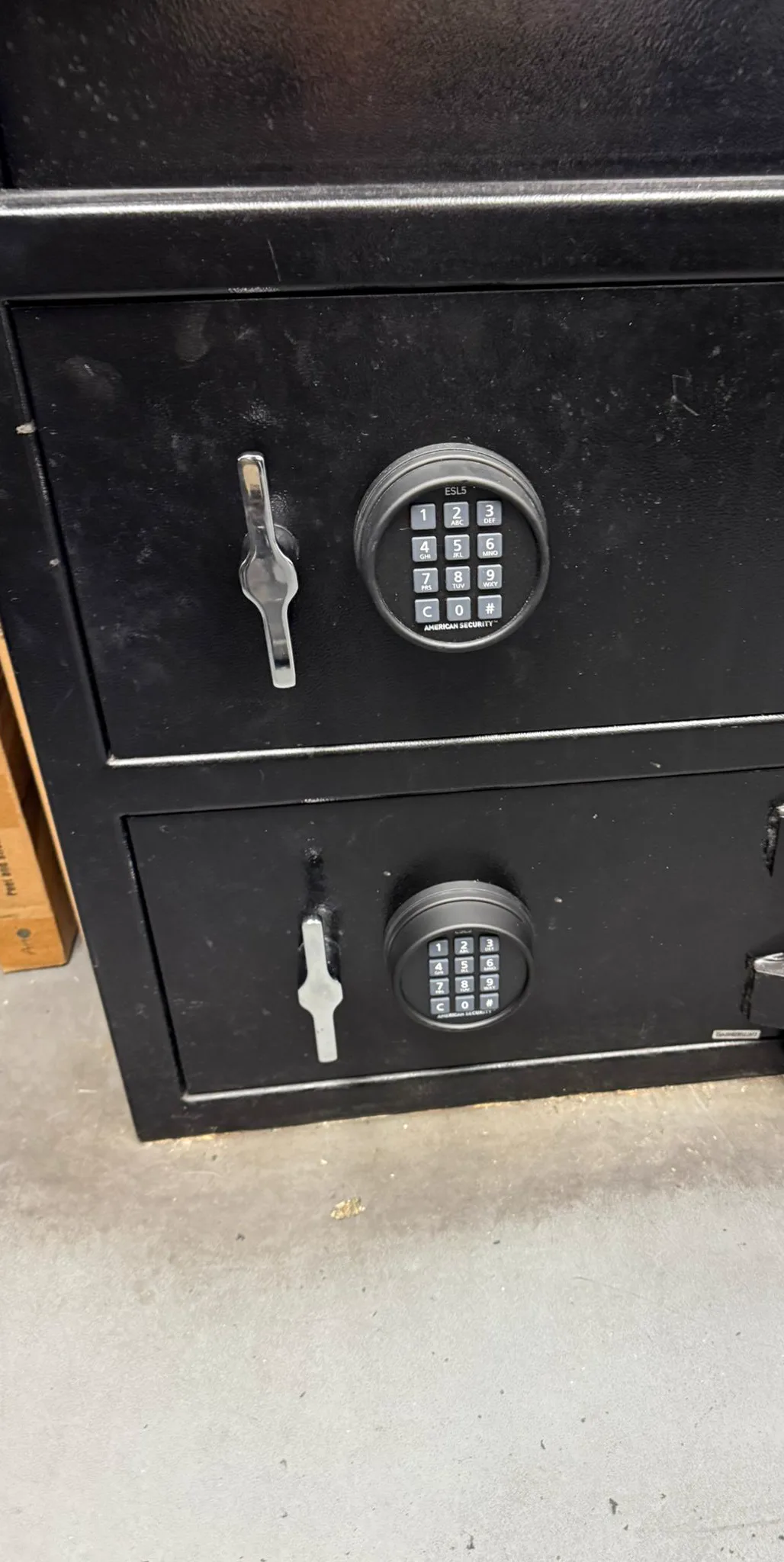
A depository safe is the workhorse of the commercial world. Employees feed envelopes through a hopper or one-way drawer all shift, and a manager pulls deposits once or twice a day. That duty cycle chews through parts. A home safe might get opened twice a week. A busy drop safe gets opened and slammed thousands of times a year.
The failures we see most: jammed or bent deposit drawers, hoppers that stick halfway, worn wheel packs on dial locks, dead 9V batteries and tired keypad ribbons on electronic locks, and sluggish solenoids that make the handle feel dead even when the code is right. Most of this is fixable on site in a single visit and falls under ordinary safe repair rather than replacement. Rebuilding the lock and drawer that failed costs a fraction of what a new depository safe does.
Business Safe Openings When the Code Walks Out the Door
The most common commercial lockout has nothing to do with a broken lock. A manager quits, gets let go, or moves away, and the combination goes too. Sometimes the code was written down somewhere nobody can find. Sometimes an owner passes and the family inherits a locked safe along with the business.
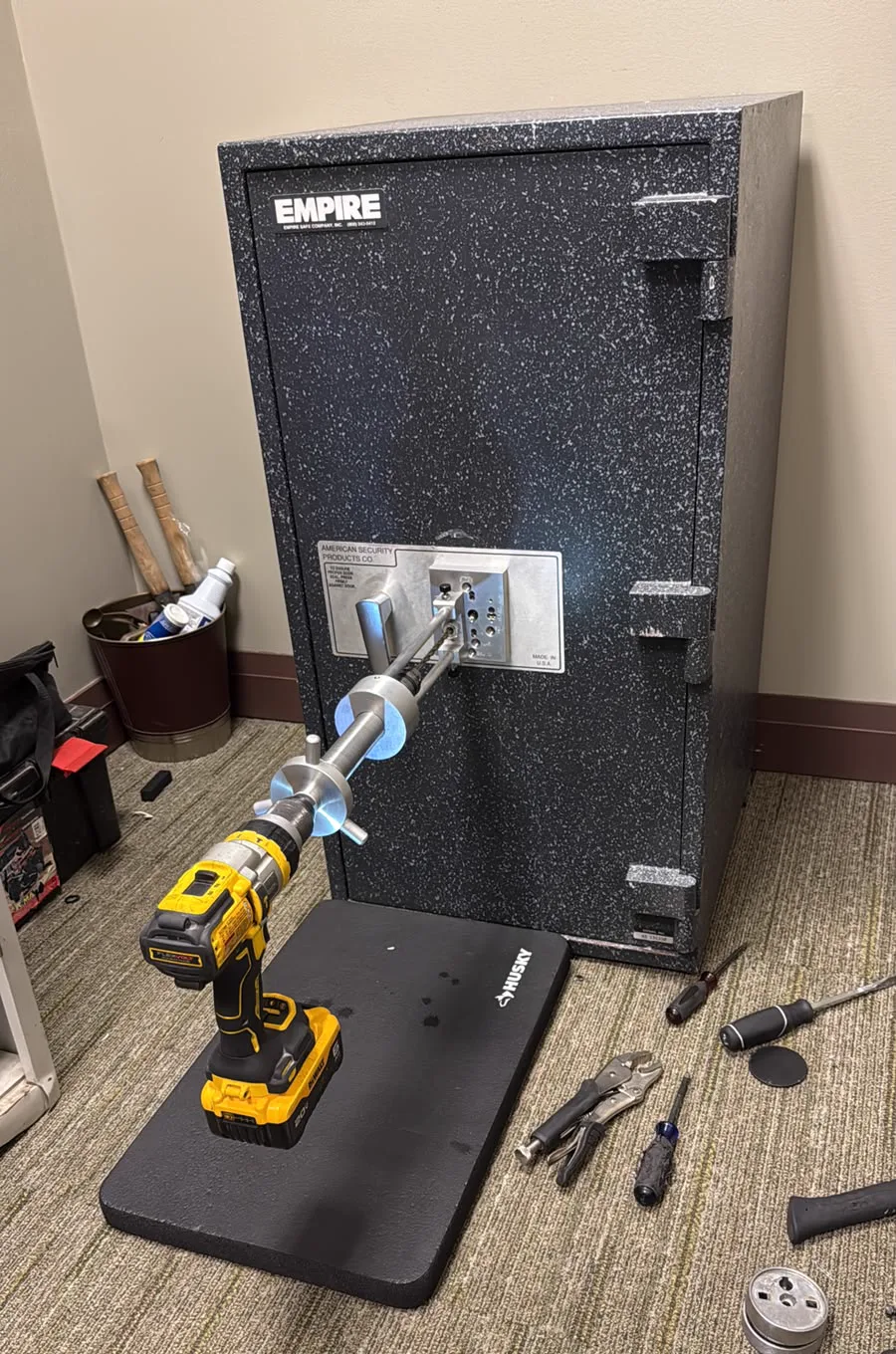
Two things happen before we touch a safe like that. First, verification. Photo ID plus proof that you own the business, or written authorization from someone who does. We verify ID and proof of ownership before every opening, no exceptions, and legitimate owners appreciate that policy once they think it through. Second, an honest look at the opening methods available, starting with the least invasive. Plenty of business safes open without drilling. When drilling is the practical route, it is one small hole placed to protect the safe, then repaired so the safe goes back into service.
If you are staring at a safe you cannot open right now, the safe lockout page covers what to check before calling, like fresh batteries and waiting out a penalty timer on an electronic lock.
Staff turnover rule of thumb: any time an employee with safe access leaves, have the combination changed that same week. It costs far less than a lockout or an unexplained cash loss, and on most electronic locks it takes minutes.
Lock Upgrades Built for Cash Control
The lock a safe ships with is rarely the lock a growing business should keep. If four employees share one code, you have no way to know who opened the safe the night a deposit came up short. Upgrading the lock fixes that without replacing the safe. Options worth knowing:
- Multiple user codes. Each employee gets a personal code, and you delete a code at turnover instead of resetting everyone.
- Audit-trail locks. The lock records which code opened the safe and when, so you can pull the log after a shortage.
- Time-delay locks. The safe waits a set number of minutes after a correct code, which removes the payoff from a robbery.
- Dual custody. Two different codes are required to open, so no single person handles cash alone.
We install and program commercial electronic locks from S&G, SecuRam, and LaGard on most standard safe doors, and converting an older dial safe to an electronic lock is a routine job.
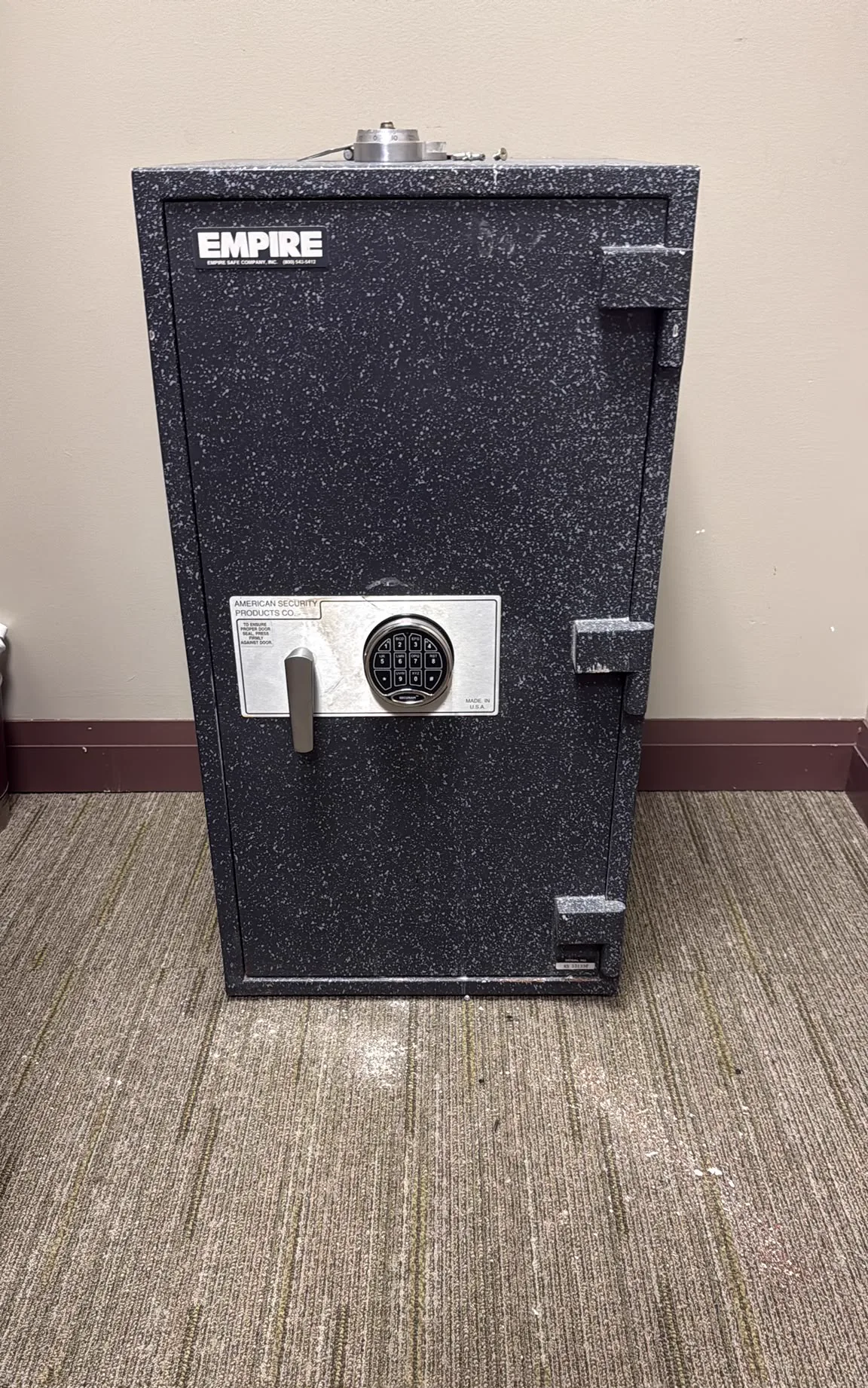
Scheduled Maintenance for High-Use Safes
Safes fail slowly, then all at once. The handle gets a little stiffer, the keypad needs a second try, the drawer needs a bump to close. Then one morning it will not open at all, with the deposit inside. A maintenance visit catches that slide early: clean and lubricate the boltwork, inspect the lock and keypad connections, replace batteries on a schedule instead of waiting for the low-battery warning, and swap worn parts before they strand your cash. For most businesses one visit a year is plenty. Heavy-use drop safes do better with two.
What Commercial Safe Work Typically Costs
| Service | Typical range |
|---|---|
| Depository or drop safe repair | $150 to $450 |
| Business safe opening, lost code or lockout | $250 to $650 |
| Electronic lock upgrade, parts and labor | $350 to $800 |
| Maintenance visit | $120 to $250 |
Those ranges cover most standard commercial safes. High-security and TL-rated safes run higher because their doors are built to resist exactly the kind of work we do. The exact price is confirmed by phone before any work starts, so the invoice never surprises you.
From the Gaslamp to the Coast
Downtown holds the densest concentration of commercial safes in the county: bars and restaurants in the Gaslamp Quarter, hotels near the convention center, offices up Broadway. Parking and load-in are their own puzzle down there, which is why downtown San Diego safe service gets its own page. Along the coast, boutiques and galleries around La Jolla and the Cedros Design District in Solana Beach tend to run smaller high-security safes that call for careful, low-damage work, while the hotels across the bridge in Coronado keep depository and in-room safes busy year round.
Wherever your business sits, off the 5, the 8, the 15, or the 805, the process is the same. Call, describe the safe, and get a straight answer on price and timing. And if you are relocating and the safe has to come along, ask about safe moving while you have us on the phone.